
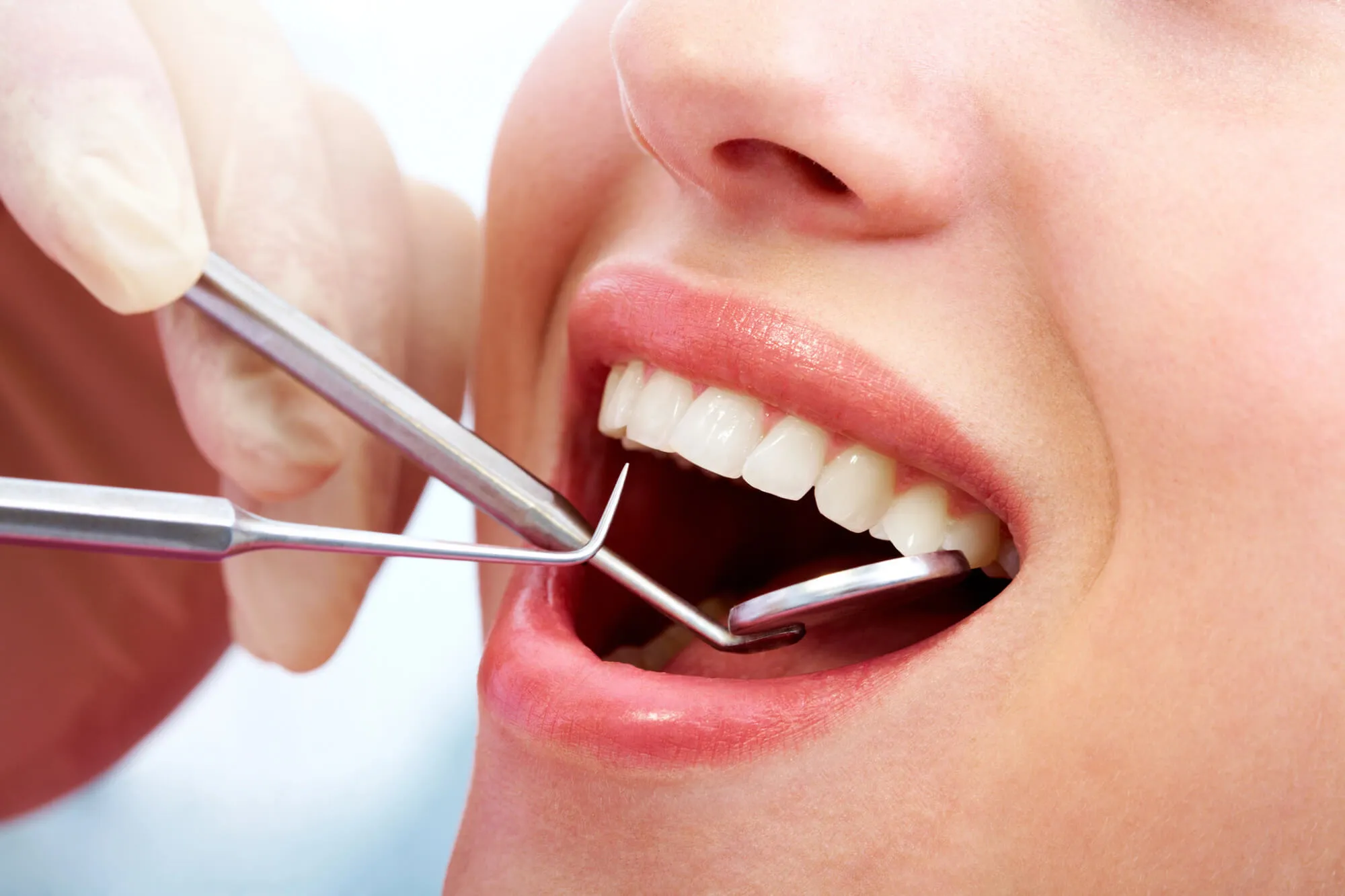
Cavities don’t always cause pain right away. Many start as small areas of decay that grow slowly over time, often without obvious signs. Dentists recommend fillings to repair these spots early and help keep the tooth strong. Patients often wonder what happens during the appointment, how the tooth will feel afterward, and whether the procedure is uncomfortable. A visit with a Malvern dentist for a filling is structured, predictable, and focused on restoring your tooth while keeping you comfortable.
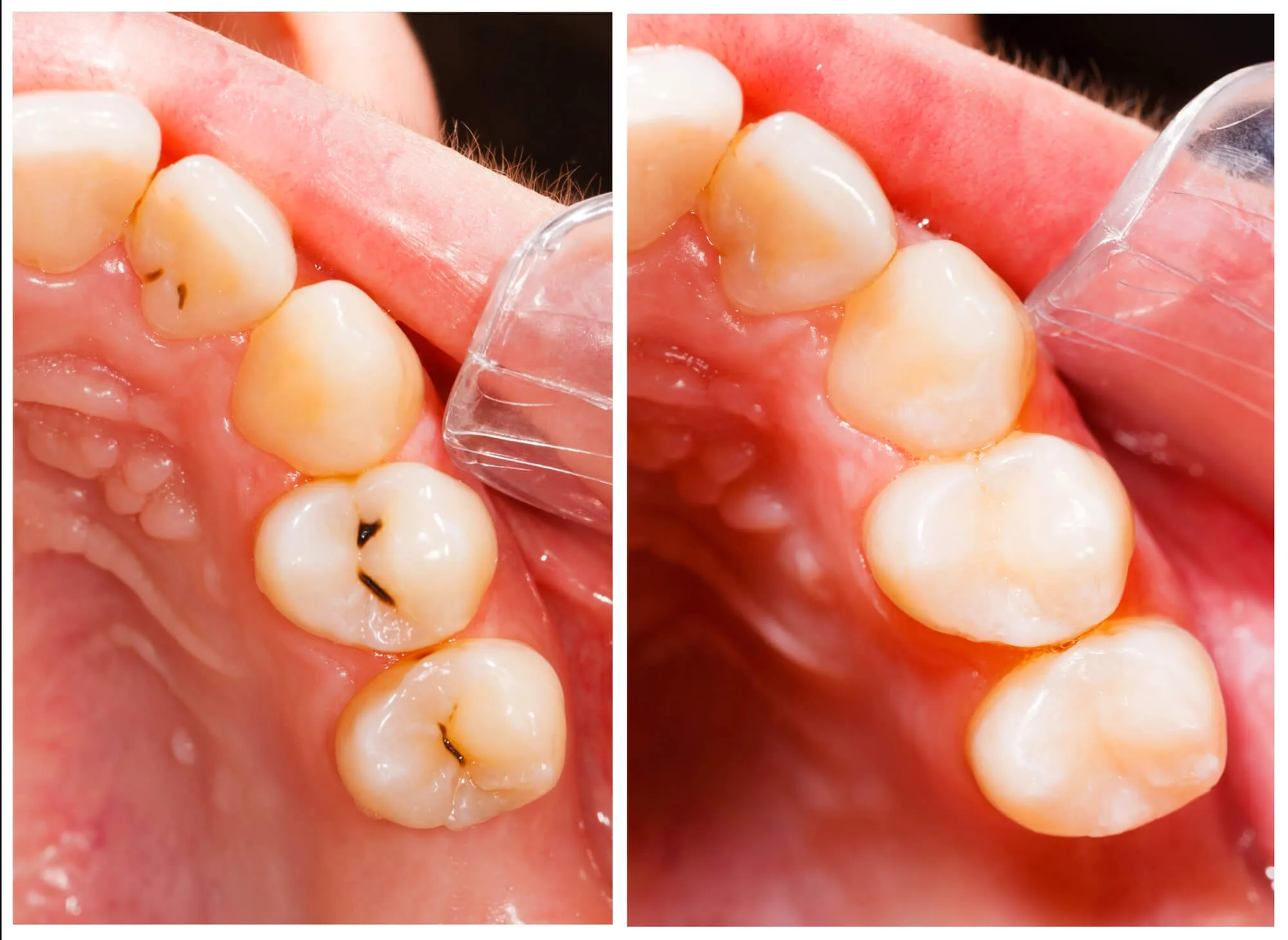
How a Tooth Filling Appointment Works
A tooth filling is a common procedure used to repair decay or minor damage. Each step is planned to restore the tooth’s shape and strength while supporting comfort during the visit.
Checking the Tooth First
Your dentist begins by examining the tooth and, if needed, reviewing X-rays. This confirms the cavity's size and location and helps determine which filling material may be suitable. Early evaluation also helps preserve more of the natural tooth.
Numbing the Area
A local anesthetic is usually used to numb the area around the tooth. This keeps you comfortable during treatment. You may feel pressure or vibration while the dentist works, though sharp pain is not expected.
Cleaning and Preparing the Tooth
Once the area is numb, the decayed portion of the tooth is gently removed. The remaining structure is cleaned to ensure the filling bonds securely. This step helps restore the tooth’s strength and shape.
Placing the Filling
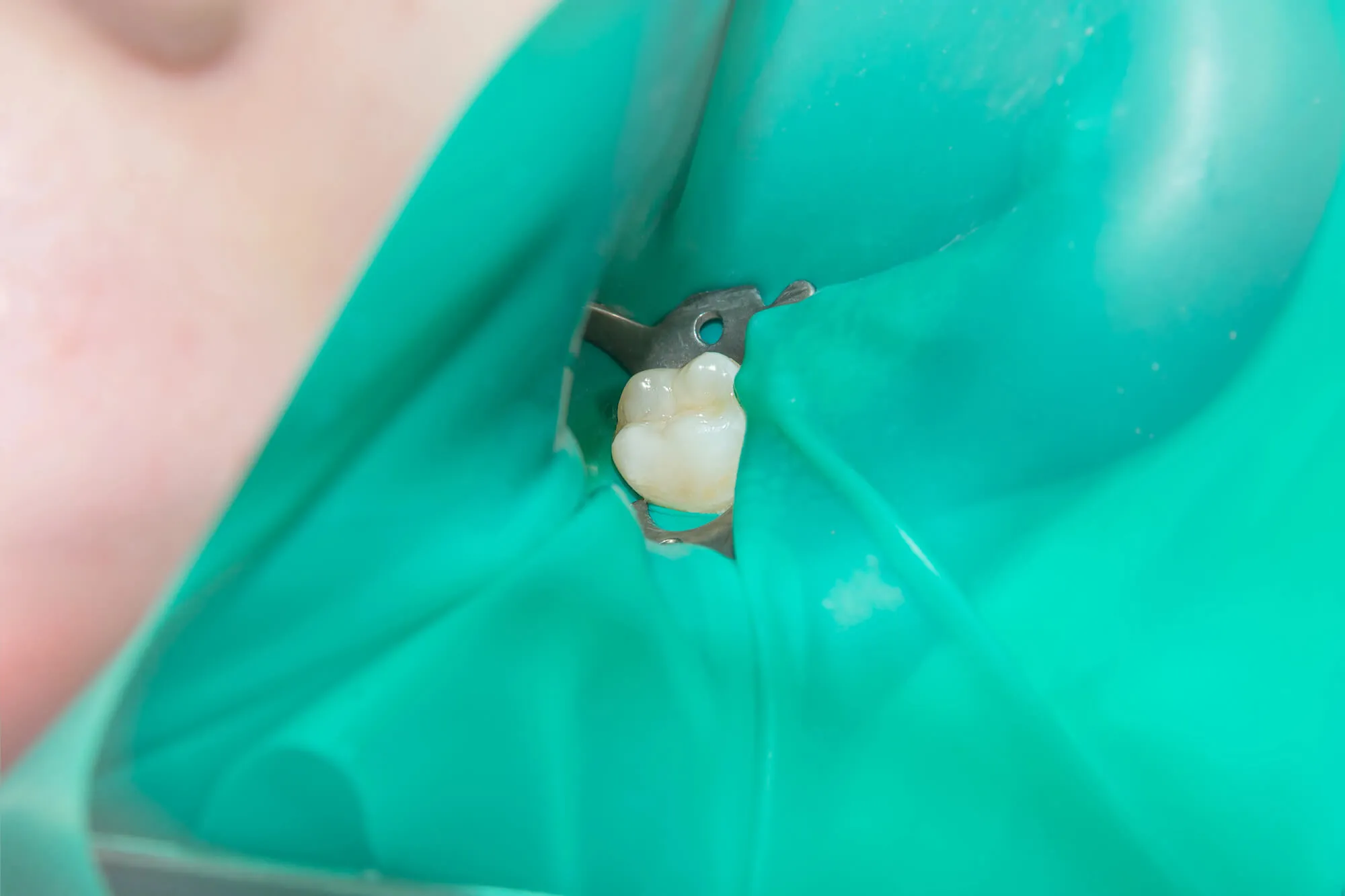
The filling material is placed in layers and shaped to match your bite. Tooth-colored fillings are hardened with a special light. Your dentist checks how your teeth come together and makes small adjustments, so chewing feels natural.
What Patients Usually Feel After a Filling
After the appointment, numbness fades over a few hours. Some patients notice mild sensitivity to cold drinks or pressure for a short time.
Sensitivity and Adjustment
Sensitivity often fades as the tooth settles. Avoid very hot or cold foods if the tooth feels tender. If your bite feels uneven, your dentist can quickly adjust the filling.
Eating After Your Appointment
Most patients can eat soon after a filling, depending on the type used. Your dentist explains when it’s safe to chew on the treated side and what foods may feel more comfortable at first.
Why Dentists Recommend Fillings Early
Small cavities can expand and affect deeper tooth layers. Filling a tooth early helps preserve more of its natural structure and keeps the problem from progressing. Routine dental exams help identify these areas before they affect comfort or function.
Caring for a Tooth with a Filling
Caring for a filled tooth is similar to caring for natural teeth. Brush twice daily, floss regularly, and attend routine dental visits. These habits help fillings last longer and keep surrounding teeth healthy.
When to Call Your Dentist
Contact your dental office if a filling feels loose, cracked, or painful. Early evaluation helps keep the tooth stable and comfortable.
Looking for a Reliable Malvern Dentist?
Getting a filling is a common step in keeping teeth strong and comfortable. Knowing what happens during the process can ease uncertainty and help you feel more prepared for your visit.
At Smile Exchange, care is centered on gentle techniques, clear communication, and long-term relationships with patients and families. If you have questions about cavities or need a filling, a Malvern dentist from the team is ready to help. Schedule your appointment and stay connected to your oral health with supportive, thoughtful care.